SERAP Calls Out Akpabio, Abbas, For Accountability Over Alleged Missing ₦18.6 Billion National Assembly Project
By Oludare Joshua

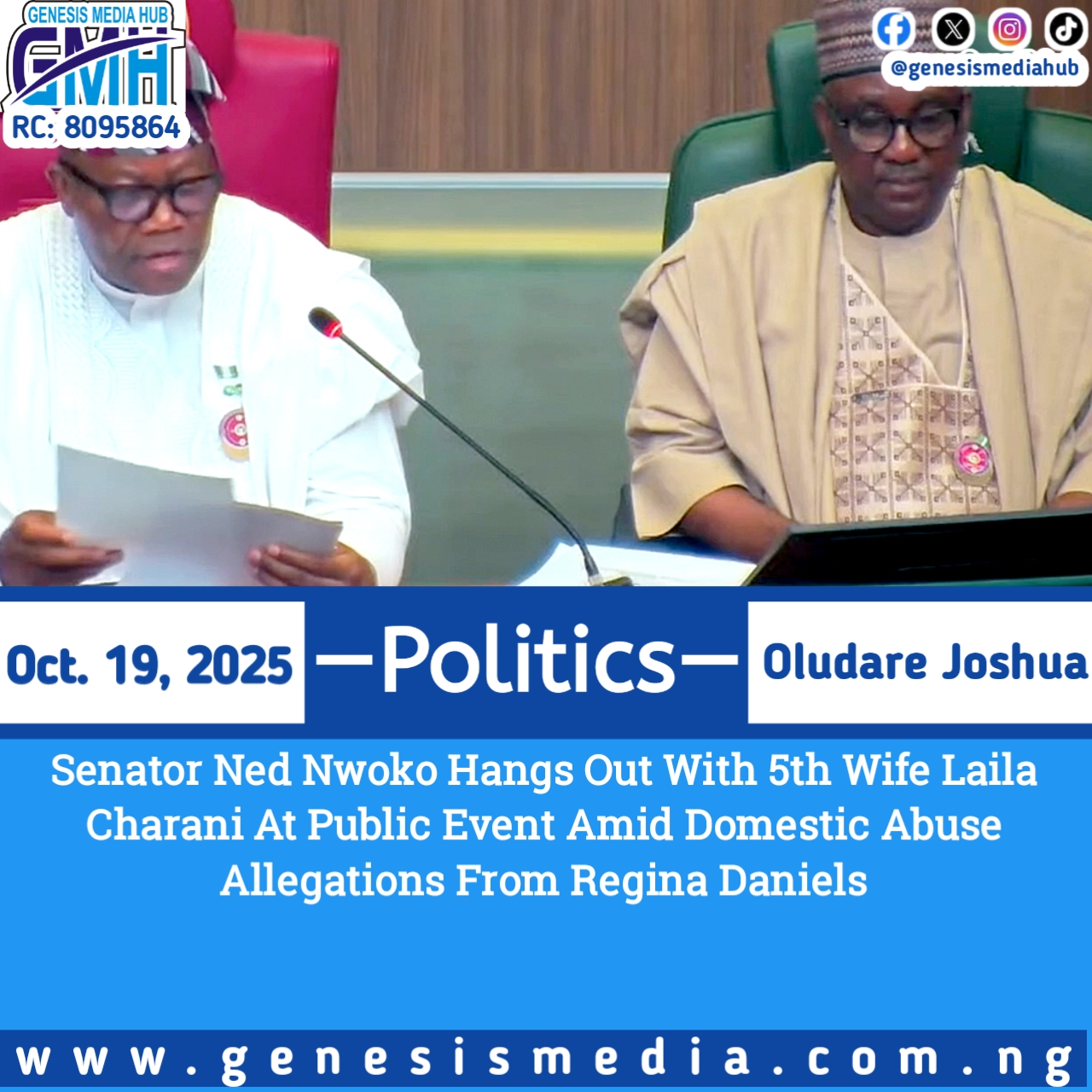
The Socio-Economic Rights and Accountability Project (SERAP) has issued a call to Senate President Godswill Akpabio and House Speaker Tajudeen Abbas, demanding accountability for ₦18.6 billion reportedly missing from the National Assembly Commission’s Office Complex project.
In a statement released on Sunday and signed by SERAP Deputy Director Kolawole Oluwadare, the organization referenced findings from the Auditor-General of the Federation’s 2022 annual report that raised serious concerns about the management of the project.

SERAP is urging the two presiding officers to reveal the identity of the “fictitious construction company” purportedly responsible for receiving these funds, along with details about its directors, shareholders, and registered address. The organization highlighted that the Auditor-General’s report indicates the contract was awarded without adhering to proper procurement processes.
According to SERAP, the National Assembly failed to conduct any needs assessments, publish bid advertisements, or collect quotations from bidders prior to awarding the contract. The letter states, “Both contracts were reportedly awarded without approval from the Federal Executive Council and without a Bureau of Public Procurement’s Certificate of No Objection.”
The organization is also calling for explanations regarding the inflation of the contract by ₦6.9 billion for the conversion of the roof garden into office space and the lack of proper approval for this increase. The Auditor-General’s report, published on September 9, 2025, disclosed that the National Assembly Service Commission paid ₦11.6 billion to the “unknown construction company” within a mere 24 months, emphasizing that the payment for the roof garden conversion was made on November 29, 2023, without a valid contract.
Expressing concern over these serious allegations, SERAP stated in its letter dated October 18, 2025, that such findings reflect “grave violations of public trust and the Nigerian Constitution.” The organization emphasized that the National Assembly must exhibit exemplary leadership to effectively fulfill its oversight and anti-corruption responsibilities.

To enhance public confidence and demonstrate that the National Assembly acts in the public’s interest, SERAP urged immediate corrective actions to address these allegations within seven days of notifying the officials. “Failure to respond adequately will compel SERAP to pursue all appropriate legal actions to ensure compliance,” the organization warned.
In addition to requesting accountability, SERAP encouraged Akpabio and Abbas to refer this matter to anti-corruption agencies for a thorough investigation and recovery of any misappropriated public funds, highlighting that such mismanagement reflects an ongoing failure to uphold transparency and accountability.
“Clarifying the whereabouts of the missing funds and pursuing legal action against those responsible would be a significant step in serving the public interest,” SERAP stated, underlining that corruption imposes severe costs on Nigerians, trapping many in poverty and denying them essential services.
Lastly, SERAP reminded the National Assembly of its constitutional duty under Section 15(5) to eliminate corrupt practices and abuse of power, while also referencing Sections 13 and 16 of the 1999 Constitution, which mandate the legislature to promote national prosperity and secure citizens’ welfare. The organization further emphasized Nigeria’s commitments under the UN Convention against Corruption, which require accountability in public resource management, underscoring that compliance with Articles 5 and 9 of the Convention is crucial.