Unveiling The Truth: The Real Story Behind The Remo Federal University Bill
By Oludare Joshua

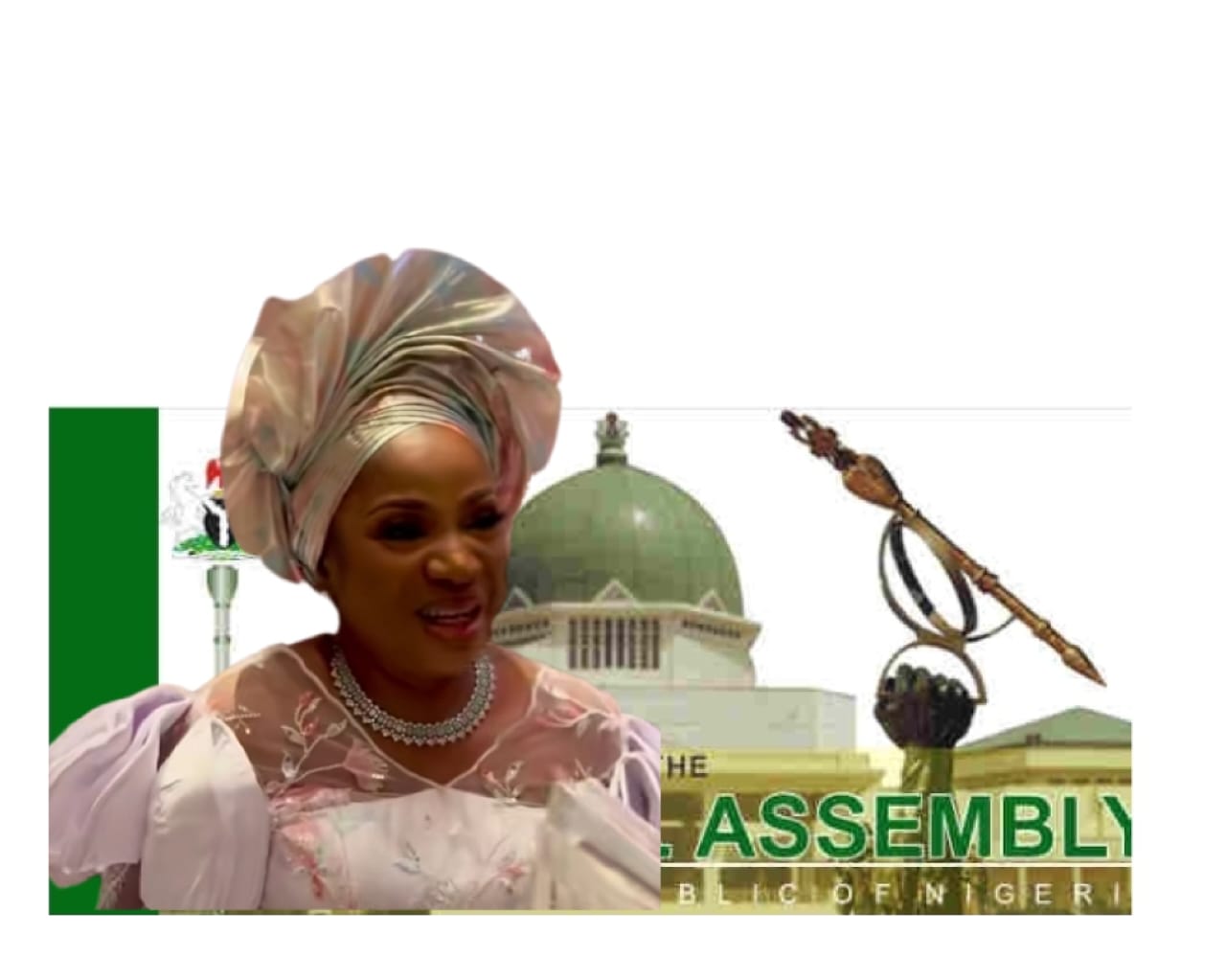
As political conversations intensify in anticipation of the 2027 election cycle, allegations have emerged suggesting that Hon. Dr. Adesola Ayoola-Elegbeji, the representative for Ikenne/Sagamu/Remo North Federal Constituency, has neglected the proposed Federal University of Science and Technology, Remo. However, a closer examination of the situation reveals a narrative rooted in selective interpretations of available facts.
Our investigative report indicates that the claims against Hon. Ayoola-Elegbeji warrant scrutiny, particularly concerning the motivations and implications behind such statements. The Remo Federal University Bill (HB 1852) was originally sponsored by the late Rt. Hon. Adewunmi Oriyomi Onanuga and had made substantial progress before her untimely passing. Legislative records confirm that the bill achieved Third Reading in the House of Representatives on May 23, 2023, and completed all necessary stages in the National Assembly, now awaiting presidential assent.

Significantly, Hon. Ayoola-Elegbeji took office in October 2025, following a bye-election held in August of the same year—long after the bill had progressed past the House. This timeline raises an essential question: How can responsibility for the bill’s fate be attributed to a lawmaker not present during its advancement?
Further investigation reveals a crucial federal policy decision that sheds light on the current state of the proposed university. On August 13, 2025, the Federal Executive Council, led by President Bola Ahmed Tinubu, approved a seven-year moratorium on the establishment of new federal tertiary institutions. This policy aims to address the issues arising from the rapid proliferation of underfunded institutions, directing focus and resources toward improving existing facilities. Consequently, new proposals, including the Federal University of Science and Technology, Remo, now find themselves within a constrained policy framework.
Senate President Godswill Akpabio provided additional insights, clarifying that several recently approved university bills, notably the Federal University of Science and Technology, Epe, were sanctioned before the moratorium took effect, allowing for their continuation without conflict. Minister of Education Tunji Alausa also confirmed that approvals for universities in Epe, Ogoniland, and certain parts of Kaduna State had been finalized prior to the introduction of the moratorium.
Despite these clear distinctions, the recent announcement of N2 billion disbursed as take-off funds for the Federal University of Science and Technology, Epe, and the Bola Ahmed Tinubu Polytechnic in Abuja has been interpreted by some as evidence supporting a misleading narrative regarding the Remo University Bill. Analysts caution that conflating the funding of existing institutions with the approval of new ones can undermine factual discourse.

A policy expert commented, “Funding an already approved institution is not the same as approving a new one. Ignoring that distinction creates a misleading argument.” This pattern has raised concerns about the implications of drawing comparisons between pre-moratorium approvals and post-moratorium proposals, which are inherently different.
The timing of these allegations is particularly noteworthy, as they emerged amid evolving political dynamics in preparation for the upcoming election. A local stakeholder remarked, “When facts are taken out of context, especially close to an election, it’s essential to ask who benefits from the confusion.”
At a recent stakeholders’ meeting in Sagamu, participants discussed a collaborative strategy to engage the Presidency when the policy environment allows, reaffirming that the university project is still very much on the agenda, rather than being abandoned.
This ongoing controversy highlights a common trend in political communication, where complexities are distilled into simplified messages. As one analyst aptly noted, “It’s simpler to assert that someone ‘abandoned’ a project than to explain the constraints of federal policy. However, the truth is often procedural and less sensational.”
As discussions progress, it becomes increasingly evident that the fate of the Remo Federal University Bill is not simply a matter of individual withdrawal but is intricately tied to broader national policies affecting the establishment of new institutions nationwide.
Hon. Ayoola-Elegbeji remains steadfast in her commitment to realizing this vision for the Remo people, diligently pursuing other legislative initiatives to foster progress within the community.
Amidst competing narratives, the core truth may lie not in what is being said but in what crucial details are being overlooked.